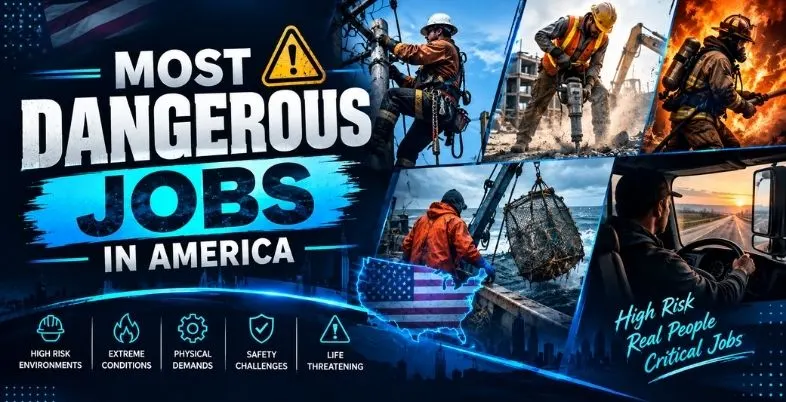
In the U.S., a worker dies on the job every 104 minutes because of the most dangerous jobs in America. The 5,070 work-related fatalities recorded last year (2024) serve as a reminder that not all jobs are created equal; while these figures are slightly lower than the previous year, they remain alarmingly high. Not every job involves a desk, coffee breaks, and a standard commute. Some roles require the use of chainsaws, working over open water, operating at heights of 100 feet, or handling equipment where even a minor error can prove fatal.
This list of the five most dangerous jobs in the U.S. is based on the latest BLS data and raises an intriguing question often overlooked in “worst 10” lists: Is the risk worth it? We will explore actual fatality rates, real wages, the industries hiring for these roles, and the skills needed to survive and advance in them.
If you are already working in one of these fields, you might be considering a career change—or perhaps you are simply wondering how your Uncle Dick’s roofing business makes so much money. This article tells the whole story: the risks, the pay, and the decisions surrounding both.
The Compensation Paradox: Why the Most Dangerous Jobs Often Pay the Least
- It stands to reason that the more dangerous a job is, the higher the ‘hazard pay’ (extra compensation for risk) should be; however, in many cases, this is not the reality. Loggers face a fatality risk 33 times higher than average, yet they earn wages close to the national minimum.
- Many high-risk jobs—such as logging, commercial fishing, roofing, and waste collection—do not require a college degree or extensive formal education; consequently, these jobs are more accessible, and despite the risks, the pay remains relatively low.
- In contrast, jobs that command a significant risk premium—such as aircraft pilots, power-line workers, and construction supervisors—typically require licenses, apprenticeships, or years of specialized training, which limits the supply of qualified workers.
- Industries based in rural areas or involving seasonal work (like logging, commercial fishing, and agriculture) often lack strong union representation; historically, unions have been the primary mechanism for securing higher wages in exchange for performing hazardous work.
- Costs associated with insurance and workers’ compensation (coverage for workplace injuries) are part of an employer’s overhead expenses rather than necessarily being reflected in a worker’s ‘take-home pay.’
- As a result, some of the most dangerous jobs in the US pay at or below the national median wage, while jobs considered safe—such as white-collar roles—often command much higher earnings despite involving little to no physical risk.
The 10 Most Dangerous Jobs in America Right Now 2026
1. Logging Workers — 110.4 deaths per 100,000
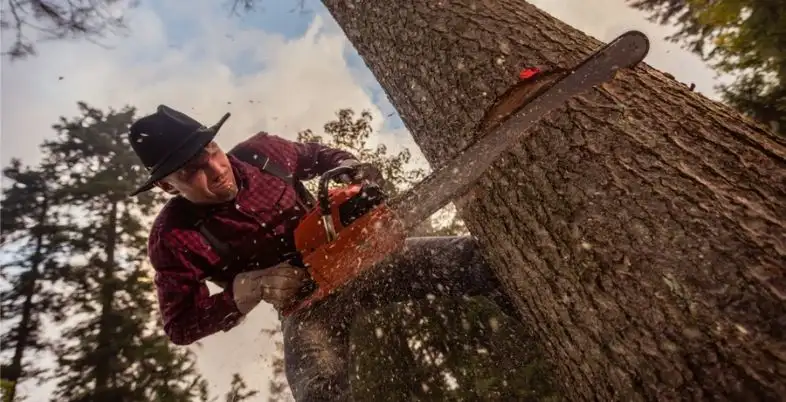
Logging is one of the most dangerous jobs in the United States. The fatal injury rate for loggers is 110.4 per 100,000 full-time workers—33 times higher than the national average of 3.3. Of the 51 loggers who died on the job in 2024, nearly all fatalities resulted from falling trees, being struck by rolling logs, or equipment failure—with most incidents occurring in remote and rugged terrain.
The work takes place in steep, forested areas where medical assistance is not readily available. It involves felling large trees with chainsaws and operating heavy machinery such as skidders and feller-bunchers. A single mistake—such as a tree falling in the wrong direction or a branch snapping unexpectedly—can be fatal, and it may take an hour or more for rescue teams to arrive
- Why it’s dangerous: Loggers operate heavy machinery and chainsaws on extremely rugged terrain. They work amidst falling trees, often in remote locations far from immediate help. Weather conditions like rain, wind, and snow add further unpredictability to the already hazardous tasks of felling and transporting timber.
- Fatality risk: In 2024, there were 110.4 fatalities per 100,000 full-time workers. This is the highest rate of any profession and is 33 times the national average risk of workplace fatality.
- Common employer: Logging companies, timber firms, and independent contractors working for forestry or paper companies in the Pacific Northwest, Southeast, and Appalachian regions.
- Typical salary: According to BLS reports, the average annual salary for a ‘faller’ (tree feller) ranges from approximately $48,000 to $50,000. However, those working in high-demand areas, individuals with extensive experience, or those serving as crew leaders can earn more.
- Skills required: Key skills include chop-saw certification, the ability to operate heavy machinery, physical stamina, situational awareness, and—in some cases—years of on-the-job training (apprenticeship) rather than formal schooling.
2. Fishing & Hunting Workers — 88.8 deaths per 100,000
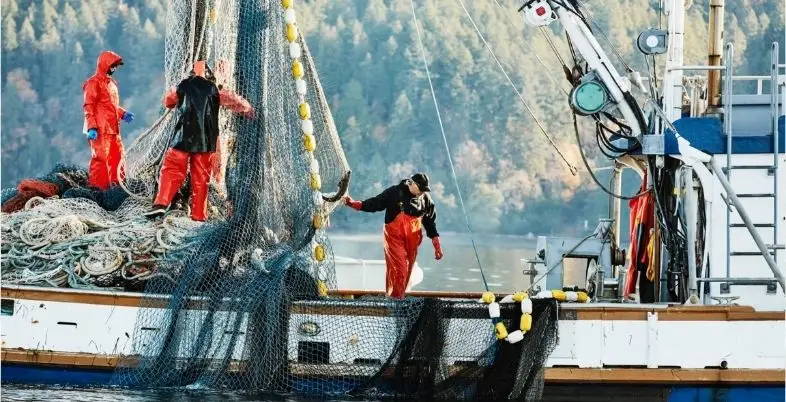
Commercial fishing remains one of the most dangerous jobs in the United States; in 2024, the fatality rate was 88.8 per 100,000 workers. Fishermen operate in extremely harsh conditions, facing violent storms, freezing waters, and heavy machinery shifting constantly on the deck. Furthermore, because they work hundreds of miles from shore, immediate assistance is often unavailable during emergencies.
The primary causes of death in this profession include entanglement in fishing nets or gear, falling overboard, and vessel accidents. Boats are frequently out of range for satellite or radio communication, which can delay responses to incidents by hours and result in fatalities. Historically, crab and salmon fishing in Alaska have ranked among the nation’s most hazardous occupations.
- Why it’s dangerous: Workers must contend with stormy seas, freezing temperatures, heavy equipment, and long shifts far from land. Additionally, emergency medical care is not readily accessible in the event of a crisis.
- Fatality risk: In 2024, there were 88.8 fatalities per 100,000 full-time workers—the second-highest rate among all professions tracked by the Bureau of Labor Statistics (BLS).
- Common employer: Commercial fishing vessels, seafood processors, and vessel owners in coastal regions (such as Alaska, the Gulf Coast, and New England).
- Typical salary: Deckhands typically earn between $30,000 and $45,000 annually, though they can earn significantly more during successful crab or salmon seasons.
- Skills required: Physical fitness, knowledge of boat handling and navigation, readiness to handle mechanical issues, completion of cold-water survival training, and the ability to stay away from home for extended periods.
Learn How to Start a Plumbing Business in 2026
3. Roofers — 48.7 deaths per 100,000
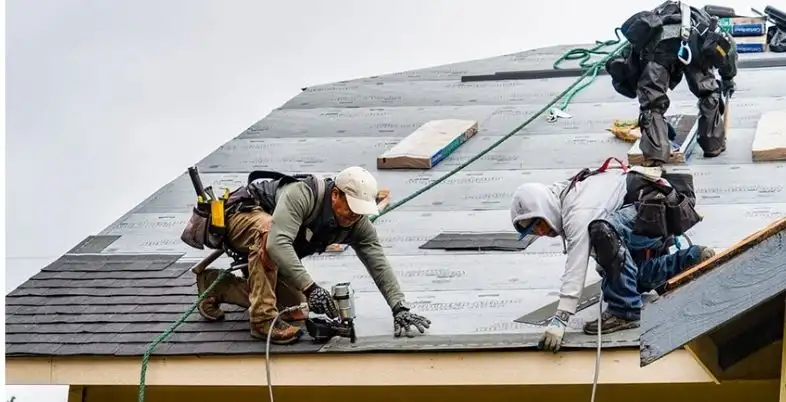
Working at heights and in the heat presents two major hazards, and roofing has consistently been one of the most dangerous jobs in the U.S. Although roofing ranks third on the list of the five most dangerous jobs regarding workplace fatalities, 104 roofers died in 2024—the highest number among these five professions.
The greatest risk of death in this job comes from falls—often from ladders, unsafe scaffolding, or through weak roof structures. Given the intense summer heat, the use of power tools, and the pressure to complete projects quickly, it is no surprise that roofing frequently appears on “top ten” lists of dangerous jobs, regardless of location.
- Why it’s dangerous: Roofers constantly work at heights on uneven surfaces where weather conditions can change abruptly, facing a perpetual risk of falling from ladders or roofs.
- Fatality risk: In 2024, there were 48.7 fatalities per 100,000 full-time workers and a total of 104 deaths; within this high-risk category, the death toll exceeded that of any other profession except truck driving.
- Common employer: Residential and commercial roofing contractors, general construction firms, and home improvement companies across the country.
- Typical salary: Commercial roofers typically earn between $47,000 and $50,000 annually, with specialized commercial roofers and crew supervisors earning more.
- Skills required: Maintaining balance, physical fitness, knowledge of roofing materials and safety harness systems, heat tolerance, and comfort working at heights for extended periods.
Check out the full guide to Highest Paying Blue Collar Jobs
4. Structural Iron & Steel Workers — 37.8 deaths per 100,000
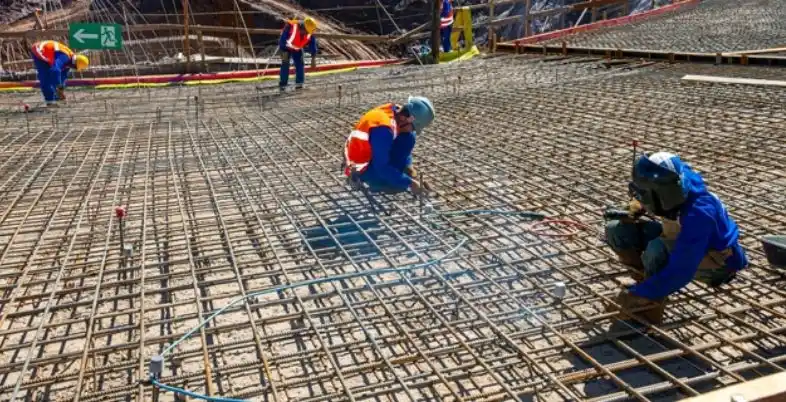
Structural iron and steel workers are professionals who climb many stories above the ground to erect the frameworks of skyscrapers, bridges, stadiums, and other structures. Their work is specialized and physically demanding, placing it among the most dangerous professions in the U.S.; falls from heights are the leading cause of death in this field.
Despite safety harnesses, netting, and strict OSHA regulations regarding fall protection, the fatality rate remains a persistent issue, as workers operate on narrow steel beams high above the ground before permanent flooring or railings are installed.
- Why it’s dangerous: Ironworkers must work at great heights on narrow beams and unfinished structures, where a single mistake or equipment failure can prove fatal.
- Fatality risk:Fatality Rate (fatal injuries per 100,000 FTE workers): 37.8 in 2024—11 times higher than the national average rate for fatal injuries.
- Common employer: Steel erection contractors, commercial construction companies, and bridge or infrastructure firms working on large-scale projects.
- Typical salary: This is a high-paying job, with an annual median salary of approximately $58,000–$63,000, reflecting the specialized apprenticeship training required.
- Skills required: Prior knowledge of welding and rigging, fall protection certification, upper-body strength, and completion of a multi-year ironworker apprenticeship training program.
5. Refuse & Recyclable Material Collectors — 37.4 deaths per 100,000
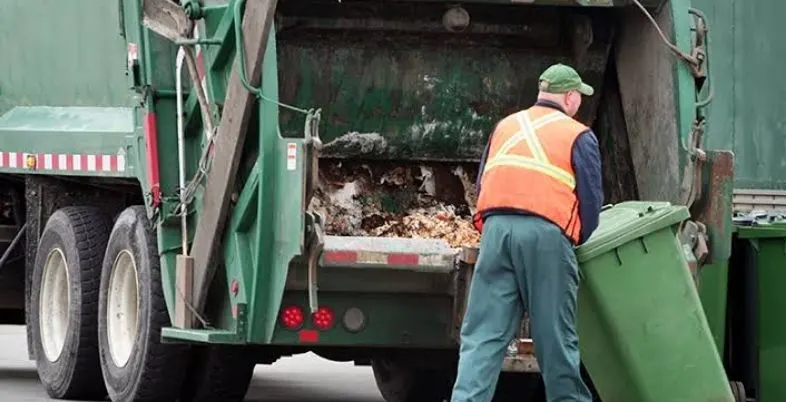
Garbage collection is a job that is often overlooked, yet data reveals it to be one of the most dangerous professions in the United States. In 2024, the fatality rate for refuse and recyclable material collectors was 37.4 per 100,000 workers. While this is a decrease from the 41.4 rate recorded in 2023, it remains above the national average.
Most fatalities in this line of work are caused by traffic rather than the waste itself. Passing vehicles pose a constant threat to these workers—particularly impatient drivers attempting to speed past a stopped garbage truck. Consequently, road safety is the primary hazard—surpassing even the risks posed by chemical or physical hazards found on the job.
- Why it’s dangerous: Workers operate amidst moving traffic on established routes, often in conditions with poor visibility. They face risks such as vehicle collisions, exposure to hazardous or concealed materials, and injuries from lifting heavy loads.
- Fatality risk: According to BLS data, there were 37.4 fatalities per 100,000 full-time workers in 2024, ranking it as the fifth most dangerous job in the U.S.
- Common employer: This sector encompasses companies providing waste management services to households and businesses nationwide, as well as municipal city departments.
- Typical salary: You can expect an average annual salary of approximately $45,000 to $47,000; municipal union positions often offer better benefits compared to jobs with private contractors.
- Skills required: Good physical fitness, a commercial driver’s license (for drivers), situational awareness on the road, and the ability to work early mornings or nights and in all weather conditions.
6. Aircraft Pilots & Flight Engineers — approximately 36.7 deaths per 100,000

When people hear the word “pilot,” they usually think of commercial airline pilots; however, the pilots who appear on lists of the most dangerous jobs in the US belong to a different category. This group includes charter pilots, crop dusters, bush pilots, and air-taxi pilots operating small aircraft. These pilots fly to remote airstrips—often in adverse weather conditions—with less backup support than major airlines have.
Traveling via commercial airline is one of the safest modes of transport in the world. Most fatalities occur involving small aircraft—such as those used for crop dusting, sightseeing tours, cargo delivery to remote areas, and emergency medical flights. These operations often function with tighter margins and fewer backup systems.
- Why it’s dangerous: Small aircraft may be flown in poor weather, low visibility, and challenging terrain; they also rely on less backup equipment and shorter runways compared to large commercial airliners.
- Fatality risk: Approximately 36.7 deaths per 100,000 workers, totaling 73 deaths among those in this profession in 2024.
- Common employer: Charter airlines, agricultural aviation companies, air ambulance and medical evacuation services, tourism operators, and regional cargo carriers..
- Typical salary: While the overall average annual salary for commercial pilots ranges from $99,000 to over $130,000, pilots flying small aircraft or engaged in agricultural operations do not earn as much as captains at major airlines.
- Skills required: Commercial pilot license, instrument rating, mechanical knowledge, the ability to think quickly during emergencies, and extensive experience flying in diverse environments.
7. Driver/Sales Workers & Truck Drivers — 25.7 deaths per 100,000
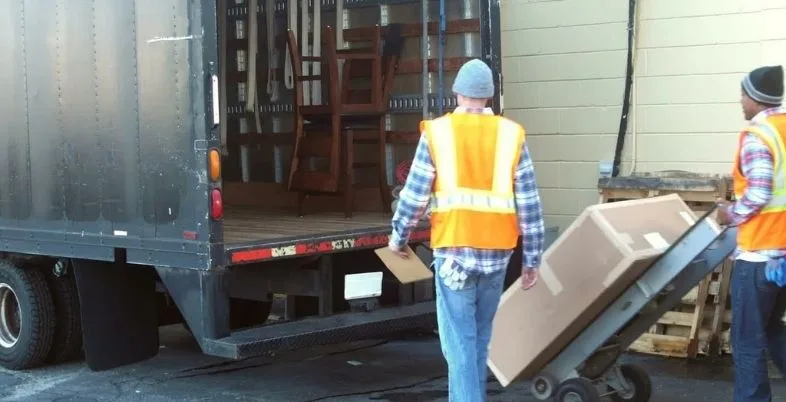
While heavy truck driving may not rank as the single most dangerous job on the list, it accounts for the highest number of fatalities among all professions in the U.S., with 950 deaths recorded in 2024 alone.
Truck driving does not appear in the top five most dangerous jobs based on fatality *rates* (which measure deaths relative to the total workforce), but transportation is the leading cause of workplace fatalities in the U.S. Factors such as long working hours, fatigue, road rage, adverse weather, and roadside breakdowns play significant roles, particularly within the trucking industry.
- Why it’s dangerous: Truck drivers face a constant risk of collisions and are susceptible to some of the most common fatal workplace injuries in the country. Contributing factors include long shifts, driver fatigue, highway traffic, and performing tasks on trucks at the roadside.
- Fatality risk: In 2024, there were 25.7 deaths per 100,000 workers, totaling 950 fatalities (the highest number among all tracked professions).
- Common employer: National and regional freight carriers, logistics and distribution companies, retail supply chains, and independent owner-operator trucking businesses.
- Typical salary: The median salary is approximately $54,000 per year, though drivers specializing in long-haul routes, hazardous materials (hazmat), or specialized cargo often earn more.
- Skills required: Commercial Driver’s License (CDL), driving proficiency, maintenance skills and knowledge, route planning, and the ability to manage fatigue during long journeys.
8. Construction Laborers & Helpers — approximately 35.8 deaths per 100,000
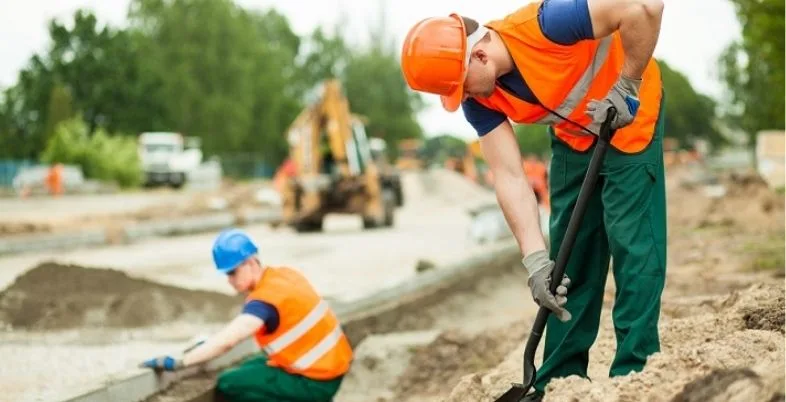
Construction laborers and helpers are the backbone of nearly all construction projects nationwide and often perform one of the most dangerous jobs in the U.S. Laborers handle a variety of tasks and may not possess the same level of specialized safety knowledge regarding job-specific hazards as skilled tradespeople (such as ironworkers).
Falls from heights are the leading cause of fatalities in this profession, followed by accidents involving vehicles, falling objects, or heavy machinery on active job sites. Laborers face varying hazards daily depending on the project phase, as they often work in close proximity to cranes, excavators, and scaffolding crews.
- Why it’s dangerous: Laborers are exposed to risks such as falls from heights, falling materials, heavy machinery, and a constantly changing site environment; they typically lack the specialized training received by skilled tradespeople working on the same sites.
- Fatality risk: Construction helpers rank among the top 10 professions with the highest risk of fatal injury; in 2024, the estimated fatality rate was 35.8 per 100,000 workers.
- Common employer: They are typically employed by general contractors, homebuilders, commercial construction companies, or staffing agencies that supply labor for large-scale construction projects.
- Typical salary: The average annual income ranges from approximately $40,000 to $45,000, with earnings increasing as the worker gains specialization over time.
- Skills required: Ability to work well within a team, OSHA 10/30 safety certification, physical fitness, basic tool proficiency, and the ability to quickly learn new methods or processes on the job site.
9. Electrical Power-Line Installers & Repairers — approximately 19–21.5 deaths per 100,000
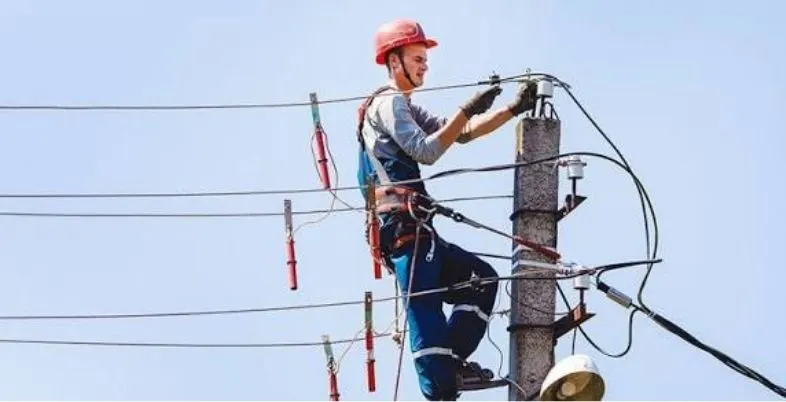
Linemen—also known as power-line workers—maintain power lines and climb high-voltage utility poles and towers to install or repair them. Although this profession ranks among the top five most dangerous jobs in the US, it presents two specific hazards: working at great heights and exposure to live electrical currents.
A leading cause of death is electrocution, particularly from contact with overhead distribution lines common in residential areas. Linemen are often required to work during storms when called out to repair damaged lines—precisely when the grid is most vulnerable due to weather conditions.
- Why it’s dangerous: Workers must climb poles and towers while in proximity to live, high-voltage lines, creating a risk of electrocution; additionally, they often work under the most adverse conditions, such as during storms.
- Fatality risk: 19 to 21.5 deaths per 100,000 workers (varying by year), primarily due to two causes: electrocution and falls from heights.
- Common employer: Utility companies, telecommunications firms, and electrical contractors responsible for line installation and storm damage repair.
- Typical salary: Compensation is substantial—typically ranging from $80,000 to $85,000 annually—reflecting the requirement for technical training and licensure.
- Skills required: Knowledge of electrical systems; certification in pole climbing and rigging; training in fall protection; and the ability to work safely at heights under challenging conditions.
10. Farmers & Ranchers — approximately 21.8–23 deaths per 100,000
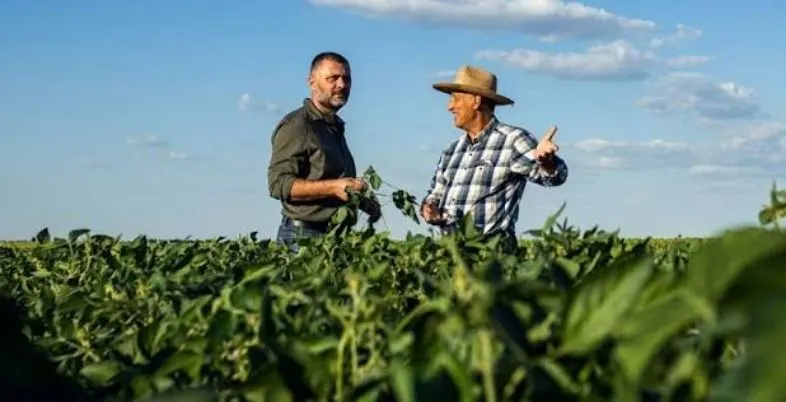
While the work of farmers and livestock handlers may not seem as thrilling as that of lumberjacks or roofers, statistics show it is among the most dangerous professions in the country. On small farms—which typically have fewer workers than large commercial operations and lack dedicated safety personnel—even a seemingly routine task can turn deadly in seconds. Such risks arise when working with tractors, heavy machinery, grain bins, and large livestock.
Leading causes of fatalities in this profession include tractor rollovers, entanglement in machinery, and collisions with or being crushed by animals. Additionally, medical treatment following an injury can be delayed, as these are often family-run operations involving an aging workforce.
- Why it’s dangerous: Farmers face constant risks from heavy machinery, tractor rollovers, grain-handling equipment, and large animals, particularly when working alone in remote areas.
- Fatality risk: An estimated 21.8 to 23 deaths occur per 100,000 workers; the majority result from off-highway vehicle accidents and machinery-related incidents.
- Common employer: Family farms, large agribusinesses, livestock operations, and seasonal agricultural contractors, particularly in the Midwest, South, and Great Plains regions.
- Typical salary: Wages for hired workers vary significantly (ranging from low to high) depending on farm size and ownership, while income for owner-operators can range from high to very high.
- Skills required: Requirements include the ability to operate heavy machinery and handle livestock, mechanical skills, and knowledge of safety protocols for working alone in remote locations.
Is the Risk Worth It? A Decision Framework
- Don’t be put off by the word “scary”; instead, look at the actual fatality rate. The risk involved in a “dangerous job” may not be as high as the statistics suggest (for example, flying small aircraft).
- Compare the salary against other options based on the level of risk. If a better job in your area offers the same pay, the risky role might not be a worthwhile deal in the long run.
- Consider your age and health. In physically demanding jobs, strength, agility, and recovery times decline rapidly with age, making the work increasingly hazardous as you get older.
- Think about your dependents. The risk assessment for a single, financially independent worker differs significantly from that of someone with a family.
- Look at injury rates alongside fatality rates. Many of the most dangerous jobs in the US carry a high risk of non-fatal injuries that can still have a profound impact on one’s life—such as loss of limbs, chronic back pain, or hearing loss.
- Evaluate the employer’s safety culture. Accident rates can vary widely between two companies in the same industry, depending on factors like training, equipment, and adherence to safety protocols.
- Inquire about promotion opportunities. Dangerous jobs (such as ironworking or power-line work) can evolve into supervisory roles that require less physical exertion over time, whereas other jobs (like logging) may offer limited advancement and remain physically demanding throughout.
How to Protect Yourself in a Dangerous Job
- Always use the necessary Personal Protective Equipment (PPE), even if it is uncomfortable, seems unnecessary, or it is just a routine workday.
- Obtain relevant certifications—such as OSHA 10- or 30-hour training, fall protection, or confined space entry—even if they are not strictly required for your job or mandated by your employer.
- Report unsafe conditions immediately; a “near miss” is not just a matter of luck!
- Familiarize yourself with basic first aid and emergency response procedures, and stay informed about your workplace—especially if working in remote or isolated locations.
- Question unrealistic deadlines that might pressure workers to compromise on safety protocols.
- Join a union or trade association if available; they can advocate for better safety standards and equipment.
- Monitor your exposure to physical strain, chemicals, or repetitive stress, and speak up before an issue escalates into a serious or chronic injury.
Life Insurance and Workers’ Comp for High-Risk Workers
- Life insurance premiums are generally higher for high-risk occupations (such as logging, commercial fishing, roofing, etc.). Some insurance companies may ask for details about your specific job responsibilities rather than just your job title.
- Honesty is crucial—lying about your occupation on a life insurance application can jeopardize a future claim.
- Workers’ compensation is mandatory in almost all states. It provides employees injured on the job with medical benefits and partial wage replacement, though the specific benefits and waiting periods vary by state.
- Individuals in certain high-risk professions may be able to obtain additional Accidental Death and Dismemberment (AD&D) coverage through their employer at a relatively low cost.
- Self-employed individuals (such as loggers, fishermen, or farmers) may need to purchase their own occupational accident insurance, as this is not always included in standard workers’ compensation policies.
- Compare quotes from multiple companies—insurance rates and terms for the same high-risk profession can vary significantly between insurers, as they assess occupational risks differently.
Thinking About Leaving a Dangerous Job? Reskilling Paths to Consider
- Heavy machinery operators—often involved in construction—can advance to become construction estimators or project managers. Transitioning skills from field operations to planning or supervisory roles is a strategic career move.
- Building inspectors and safety compliance officers are professionals often recruited from trades such as roofing, ironworking, and other construction-related fields. Employers hiring for inspection roles value the practical, on-the-job experience regarding workplace hazards that these workers possess.
- Truck drivers can transition into roles like dispatch, logistics coordination, or fleet management; the industry knowledge gained is valuable far beyond just time spent on the road.
- Forestry technicians and marine safety instructors often come from backgrounds like logging and commercial fishing; these roles allow one to stay connected to the natural world while reducing the intensity of daily physical labor.
- Power-line workers can advance to become electrical engineering technicians; combining field experience with additional certifications offers a fast track to design and planning roles.
- Consider options such as community college certificate programs, pathways to union-sponsored office jobs, and OSHA trainer certifications as quick, cost-effective ways to acquire new skills.
Conclusion
America’s most dangerous jobs aren’t going away anytime soon: someone has to fell trees, catch fish, roof houses, and haul the freight that forms the backbone of this great nation. The only thing that has changed over the past 20 years is that we now have a better understanding of just how dangerous these jobs are—and the data isn’t as straightforward as one might think.
While risk and earnings often go hand in hand, that isn’t always the case. Some of the riskiest professions—such as logging and commercial fishing—carry fatality rates many times higher than average, yet the pay hovers around the national median. On the other hand, jobs like power-line work and piloting aircraft offer substantial salaries; in these fields, the danger is at least partially compensated by the pay. The first step in making any decision is determining where your job (or the job you are interested in) falls on this spectrum.
If you are already in such a job, quitting isn’t always the best course of action; instead, focus on staying as safe as possible: undergo proper training, use the right PPE (Personal Protective Equipment), secure adequate insurance, and discuss safety protocols with your employer. Whether you are considering a career in one of America’s most dangerous professions for the money or the lifestyle, ensure you proceed with full awareness, robust safety measures, and a solid plan for success.
FAQs
Does working a hazardous occupation impact your life insurance?
Yes. Insurers take into account occupational risk when determining premiums and premiums can be higher or underwriting questions more detailed for high-risk jobs such as logging, fishing or roofing. Just as it’s important to be honest about your work on the application, it is also crucial that you aren’t misleading yourself in the process; otherwise, your future claim could be endangered.
What do I do if my job environment is not safe?
Report to a supervisor / safety officer immediately, and record a hazard if possible. If nothing changes, you may submit a confidential complaint to OSHA, and OSHA will not be held liable for employer retaliation for making a complaint.
Risks vs. rewards for hazardous work?
This will depend on the type of work you do and on you. Pay is good in some jobs, such as power-line work, which are very risky. But some activities, such as logging or fishing, come with the risk of great harm, but little reward; the “worth it” depends on the situation.
What can I do to get out of an occupation that has a high risk?
Consider transferring to a job in the same field but with lower physical demands, such as inspecting or supervising, or dispatch or technical support. Can be a relatively quick and inexpensive transition with community college certificate programs and union apprenticeship programs.